MSL territory handoff checklist: what to hand over
What to hand over when a territory changes hands: the names on a board the team can see, the reason each one is there, the open commitments with dates, and the conversation notes that belong in the CRM.
By FindMyKOL Team4 min read
Key takeaways
- Hand over the list with the reason each name is on it; a name without its record gets dropped.
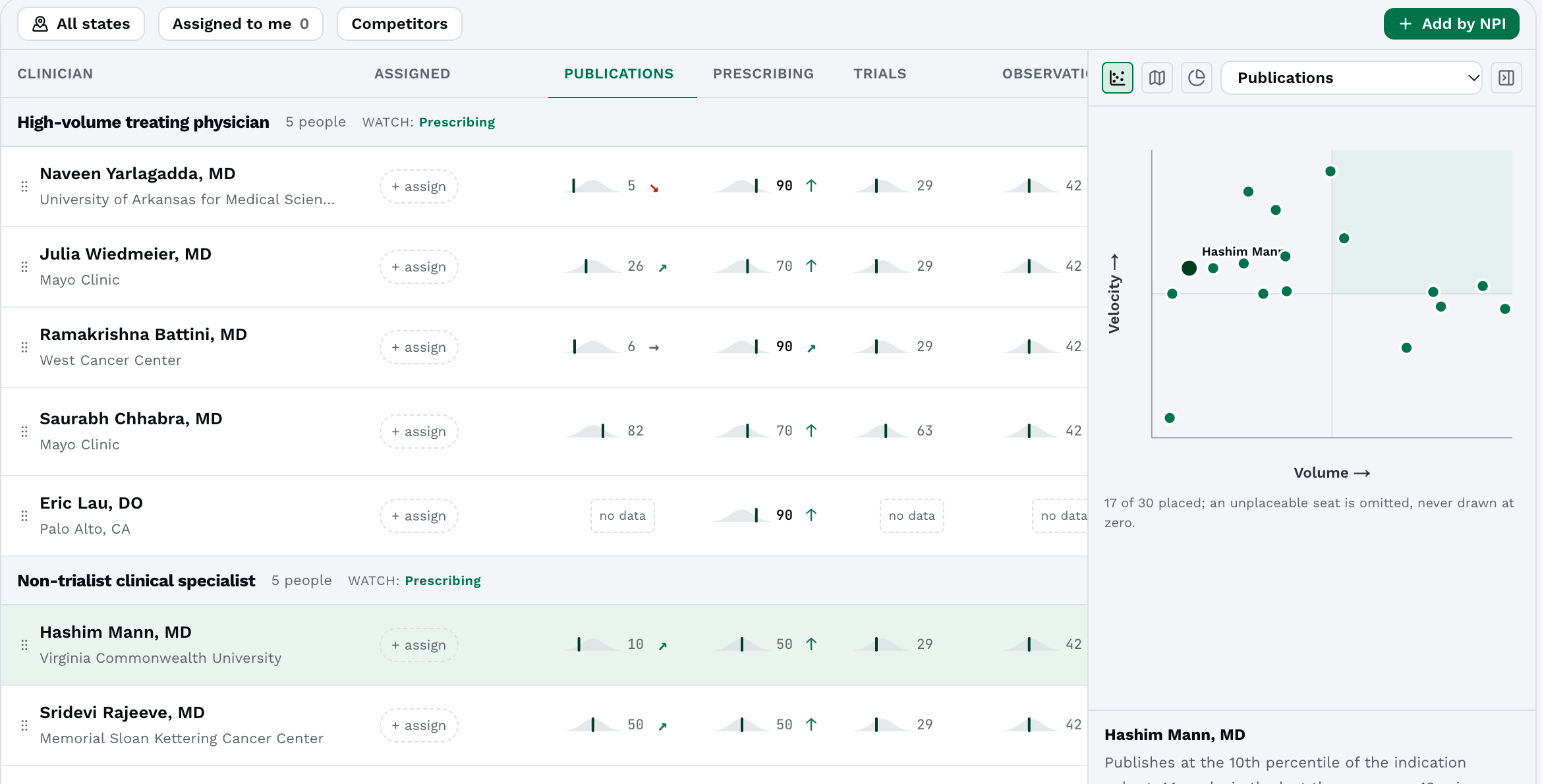
- On FindMyKOL, KOLs you add yourself sit on your Personal board, which nobody else can read. Territory names belong on the team board, where a lead assigns them.
- Open commitments (a medical information answer, an advisory board invitation, an investigator-initiated study question) matter more than history. Hand them over with dates.
- Conversation notes belong in your company's CRM under its compliance rules, not in a personal file or another tool.
When an MSL territory changes hands, hand over four things: the KOL list on a board the team can see, the reason each name is on it, every open commitment with its date, and the conversation notes, which stay in the company CRM.
Territories change hands more often than anyone plans for: promotions, realignments, departures. The incoming MSL usually gets a spreadsheet of names and a few calls. What gets lost is the reason each person is on the list and the promises still open. This checklist keeps both, in the order to do them in the last few weeks before you hand over.
1. Put the territory where the team can see it
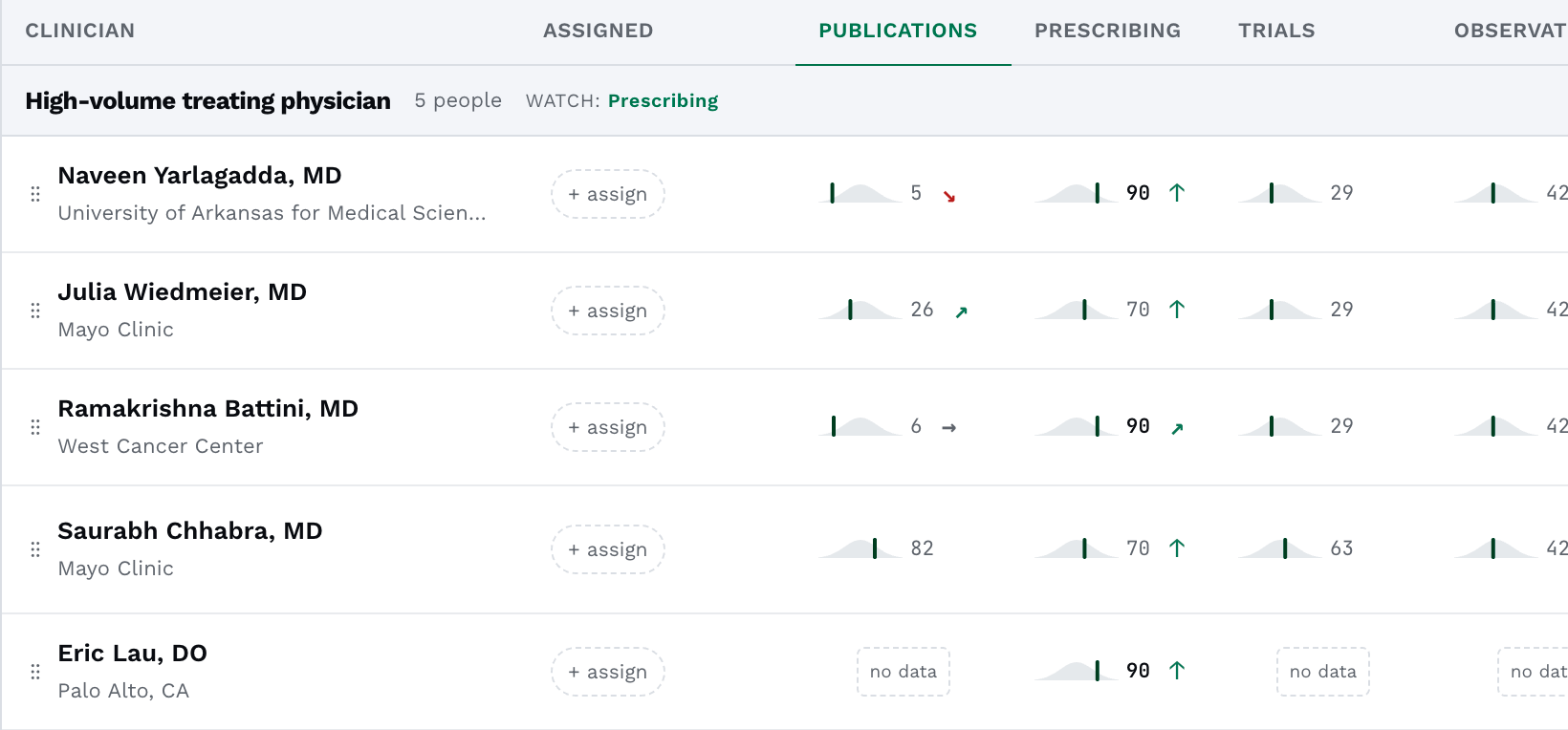
If you added KOLs yourself in FindMyKOL, they sit on your Personal board, which nobody else can read. Before you go, ask your team lead to assign the territory's names to you on the team board. In a workspace, only a team lead or a workspace admin assigns KOLs, and every member can see who holds whom.
2. Write down why each name is there
For every KOL, one line on the reason: the recruiting study at their site, the talk you heard, the advisory board they sat on. The profile keeps the public record behind the name (trials, publications, congress abstracts, funding), each linked to its source, so the line only has to say which part of it mattered to you.
3. List open commitments, with dates
Every promise still open, with a date: a pending answer to a medical information request, an advisory board invitation, a congress meeting, an investigator-initiated study question. These are what the KOL remembers about your company, and they are the first thing your successor should be able to act on. Put them where your company tracks follow-ups, usually the CRM.
4. Keep conversation notes in the CRM
Interaction history, preferences and what was said belong in the company CRM, where compliance can review them. Do not move them into personal files or tools outside your company's systems, including this one.
5. Overlap, then hand over
Assignment in a team can be shared: two members can hold the same KOL at once. Ask your lead to add your successor to each name before you leave, so both of you are on it during the overlap, and to take you off afterwards. Nothing falls between the two boards on the day you go.
6. Introduce your successor
Where it is appropriate, introduce your successor by email before you leave, with one line on what they will pick up.
For the incoming MSL: the first month
Start with the names you were handed. In your workspace, My Feed lists publications and trial record updates for your KOLs from the last 120 days, which is the catch-up on what each one has done since the list was last touched.
Then re-run the territory search, because a handoff list can be six months old and the records keep moving: building a starter KOL list shows how. Before each first meeting, take fifteen minutes on the profile with the public-record check.
Questions
- What should an MSL hand over when leaving a territory?
Four things: the list of KOLs on a board the team can see, one line on why each name is there, every open commitment with its date, and the conversation notes, which stay in the company CRM. Then overlap with your successor on each name and introduce them where appropriate.
- What happens to my KOL relationships when I switch companies?
The company's records stay with the company: the CRM, account plans and insight reports. What you carry is your own professional knowledge and the public record, which anyone can read again: each KOL's trials, publications, congress talks and funding. Do not copy company notes into personal files. At the new company, rebuild the list from the public record and log new interactions in the new CRM.
- How should a team document its KOL network?
Keep one shared list per territory where every member can see who holds each name, record the reason each person is on it, track open commitments with dates in the CRM, and link each name to the public record behind it so the reason can be checked later.
- Can the incoming MSL see the KOLs I added myself?
No. Your Personal board is yours alone. Names the incoming MSL needs have to be on the team board, which a team lead or workspace admin assigns.
- Should conversation notes go into FindMyKOL?
No. Keep interaction notes in your company's CRM, where compliance can review them. FindMyKOL holds the public record behind each name and who on the team holds them.